
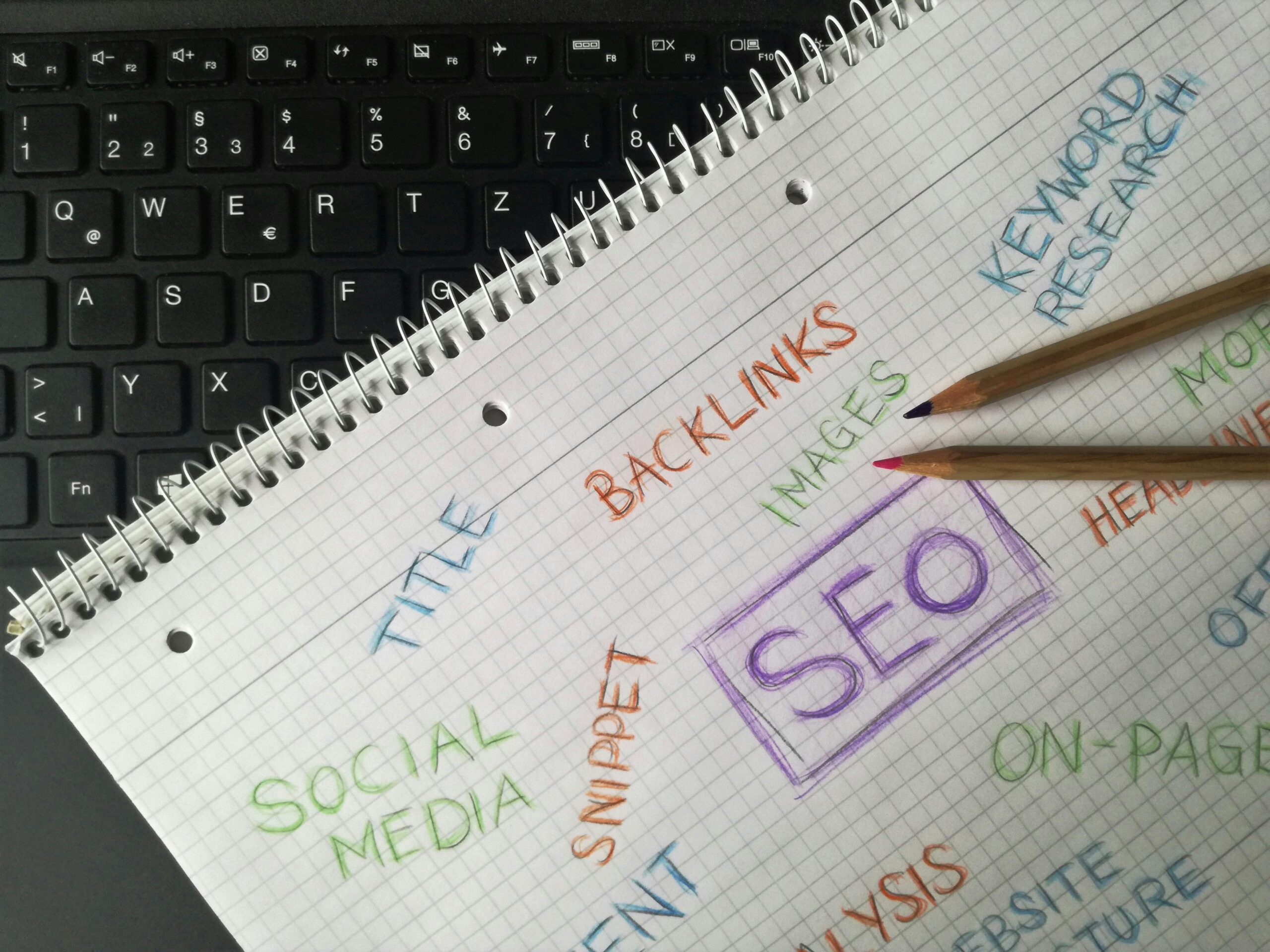
If you want your website to rank at the top of Google search results, On-Page SEO is the foundation. In 2025, competition online is stronger than ever, and Google’s algorithm is smarter. That means—just having a website is not enough. You must optimize every page so search engines and users both understand your content clearly.If you want your website to rank at the top of Google search results, On-Page SEO is the foundation. In 2025, competition online is stronger than ever, and Google’s algorithm is smarter. That means—just having a website is not enough. You must optimize every page so search engines and users both understand your content clearly.
What Is On-Page SEO?
On-Page SEO refers to optimizing individual pages of your website to rank higher in search engines. It includes improving content, HTML tags, site structure, and user experience.
In simple language:
On-Page SEO = Making your website pages search-engine friendly + user-friendly.
It helps Google understand:
- What your page is about
- How valuable and relevant your content is
- Why your page should rank higher than competitors
Why On-Page SEO Is Important in 2025
With millions of websites online, ranking without proper optimization is nearly impossible.
Here’s why On-Page SEO matters:
- Boosts visibility in search engines
- Increases organic traffic
- Helps users find relevant information easily
- Improves website trust & authority
- Enhances user experience
Simply put:
Better On-Page SEO = Higher Ranking + More Customers + More Business Growth
Key On-Page SEO Elements (Step-by-Step Guide)
Keyword Research & Placement
Choose targeted keywords that your audience is searching for.
Where to place keywords:
- Page title
- Meta description
- URL slug
- H1, H2 tags
- First paragraph
- Image alt text
- Naturally throughout the content
Example:
If your keyword is On-Page SEO services in India, include it naturally—not forced.
SEO-Friendly Title Tag
Your page title should be clear, clickable, and keyword focused.
Example Title:
Best On-Page SEO Guide for Beginners (2025) — Improve Rankings Fast
- Keep under 60 characters
- Include main keyword
- Make it attractive for clicks
Compelling Meta Description
Meta description helps users decide to click your link on Google.
Example Meta Description:
Learn the complete On-Page SEO guide for 2025 by Pawan Digitals. Boost Google rankings with proven techniques, keyword strategies, and content optimization tips.
- 150–160 characters
- Add CTA (Call-to-Action)
Optimized URL Structure
Keep URLs short and keyword-focused.
Clean URLs help Google & users understand your page content easily.
High-Quality Content
Content is the KING, but now quality + helpfulness = ranking.
Tips for quality content:
- Solve user problems
- Use clear headings
- Add statistics, examples, tables, bullet points
- Target search intent (what users want)
Headings Optimization (H1–H6)
Use headings to structure your article.
Example:
- H1: Main topic
- H2: Sections
- H3: Points under sections
Google reads structure like humans do → organized content ranks better.
Image Optimization
Always add images & graphics for better engagement.
But remember:
- Use compressed images
- Add keyword-based file names
- Add ALT text
- Use WebP format if possible
Example ALT text:
Alt = “On-Page SEO checklist for small businesses”
Internal Linking
Link your pages to each other.
Benefits:
- Helps Google crawl pages
- Improves user time on site
- Passes authority between pages
Example:
Link this article to your SEO Services page.
External Linking
Link to trusted websites for references (industry leaders only).
- Shows Google you provide valuable, researched content
- Builds trust
Example sources: Google blog, SEMrush, HubSpot
Mobile-Friendly Website
Over 70% of users search on mobile.
If your site isn’t mobile-optimized, you will lose ranking.
Test your website using Google Mobile-Friendly test tool.
Page Speed Optimization
Fast websites rank better.
Improve speed by:
- Compressing images
- Using cache
- Avoiding heavy plugins
- Fast hosting
Page should load in under 2–3 seconds.
SEO-Friendly Website Layout & UX
User experience matters for SEO.
- Easy navigation
- Clean UI
- Clear fonts
- Buttons & call-to-actions
Google rewards websites that users love to browse.
Schema Markup
Schema helps Google understand your content better and show rich snippets.
Examples:
- FAQ schema
- Article schema
- Local business schema
Our team at Pawan Digitals implements schema for better CTR & rankings.
Common On-Page SEO Mistakes to Avoid
- Keyword stuffing
- Copy-paste content
- No internal links
- Slow website
- Thin content
- Over-optimized content
Avoid these mistakes & your ranking will grow steadily.
Conclusion
On-Page SEO is the backbone of digital success. When implemented correctly, it helps your website attract traffic, build trust, and convert visitors into customers.
At Pawan Digitals, we provide complete SEO services to help businesses rank high and grow online.